One career, many obsessions
I am an energy-infrastructure professional: EV charging and battery swapping at national scale, shaped in rooms with ministry officials and regulators. From December 2026 I work independently, consulting, building and beginning doctoral research, and carrying the same old habit that brought me here, of taking things apart until they make sense.
The profession
I have spent close to two decades inside Indian Oil Corporation — India's largest energy company — and the Ministry of Petroleum & Natural Gas. I started in the engine room: running enterprise SAP landscapes, national data centres, and the networks that keep fuel moving across hundreds of locations. Infrastructure teaches you a specific kind of humility — when systems this large fail, they fail publicly, and someone has to answer for it.
Four days in July 2014 changed the arc of that career and took me to New Delhi, as an advisor to the Ministry on digital platforms and public engagement — building the systems through which citizens actually reach their government. (That story deserves its own essay, and it has one.)
Since then the work has moved steadily toward the energy transition: a multi-billion dollar city-gas portfolio, clean-fuel expansion across 600+ retail locations in Odisha, and now, from Mumbai, leading the alternate-energy vertical in Indian Oil's Retail Transformation: an EV charging programme of 6,000 fast and 10,000 slow chargers backed by USD 60 million, across highways, cities and commercial corridors, with the battery-swapping infrastructure growing beside it. Much of that work happens in rooms with ministry officials and regulators, shaping the frameworks that make clean mobility viable at national scale.
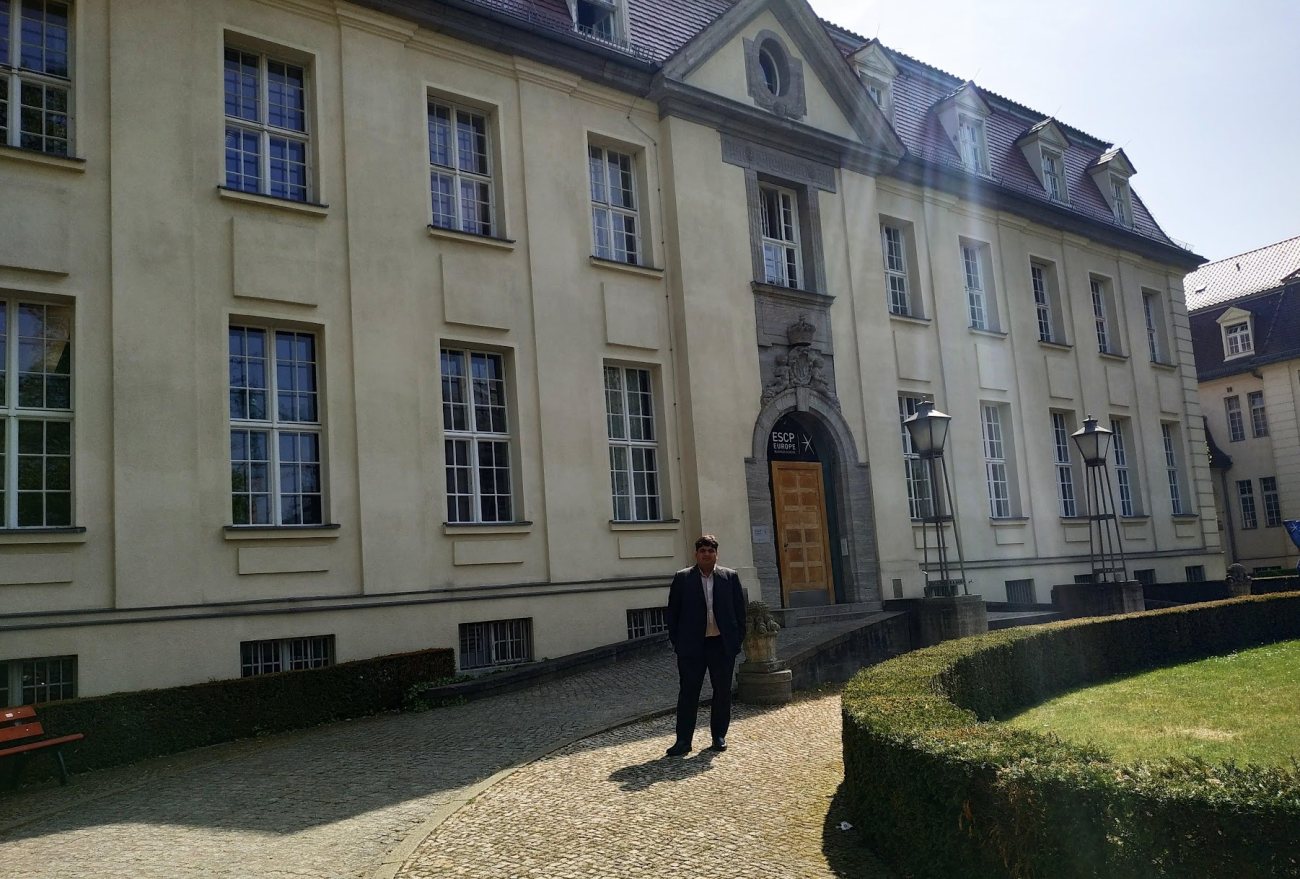
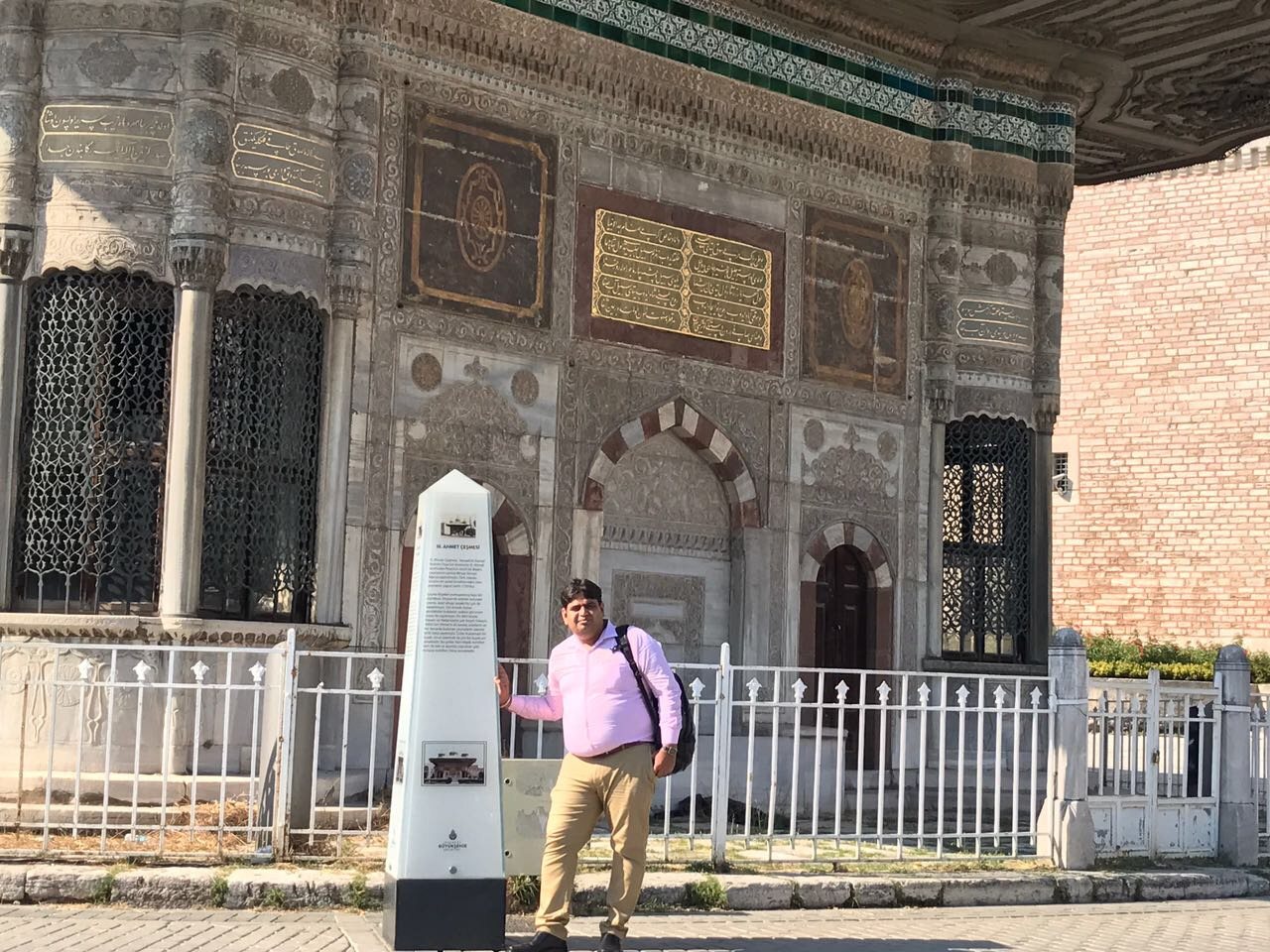
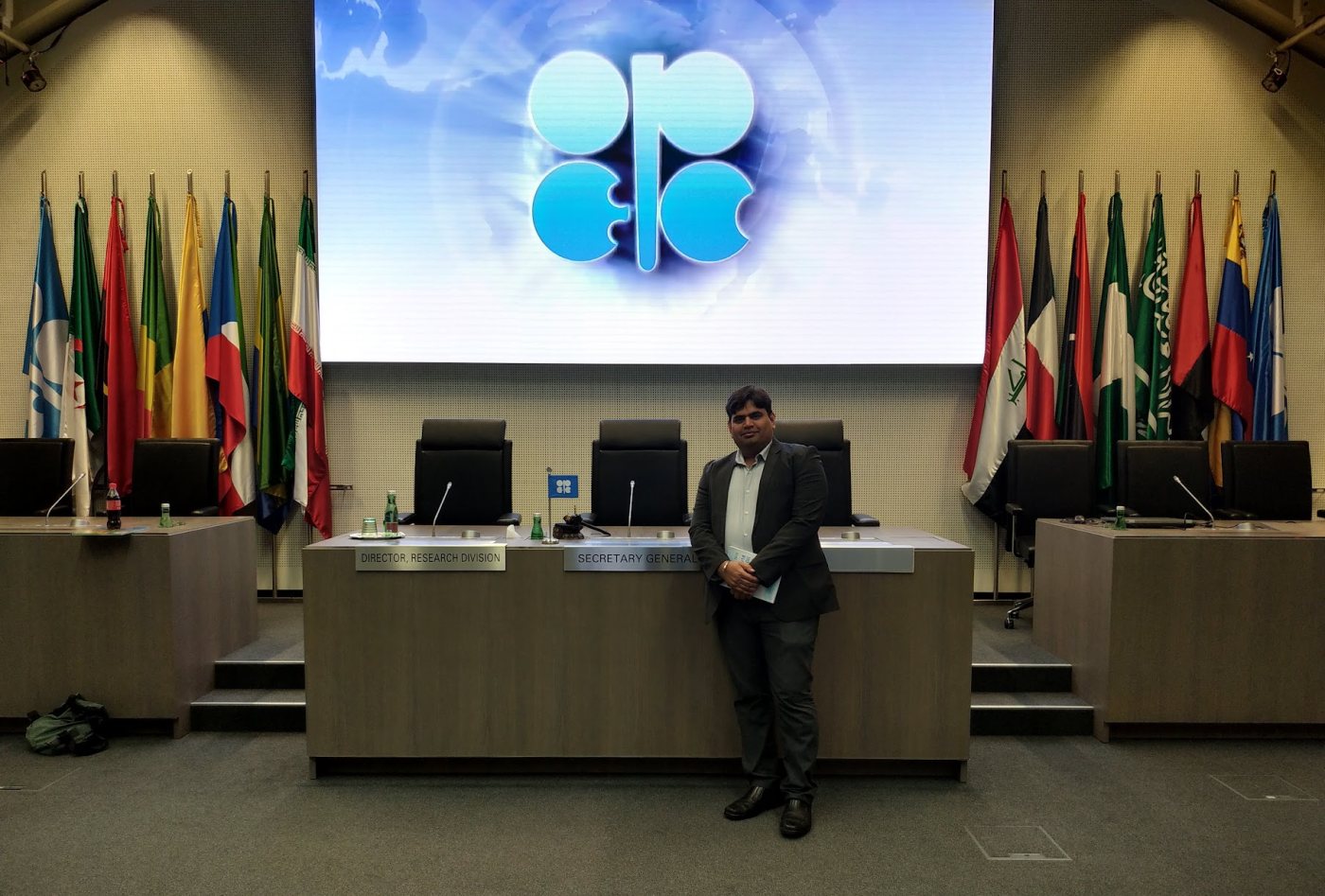
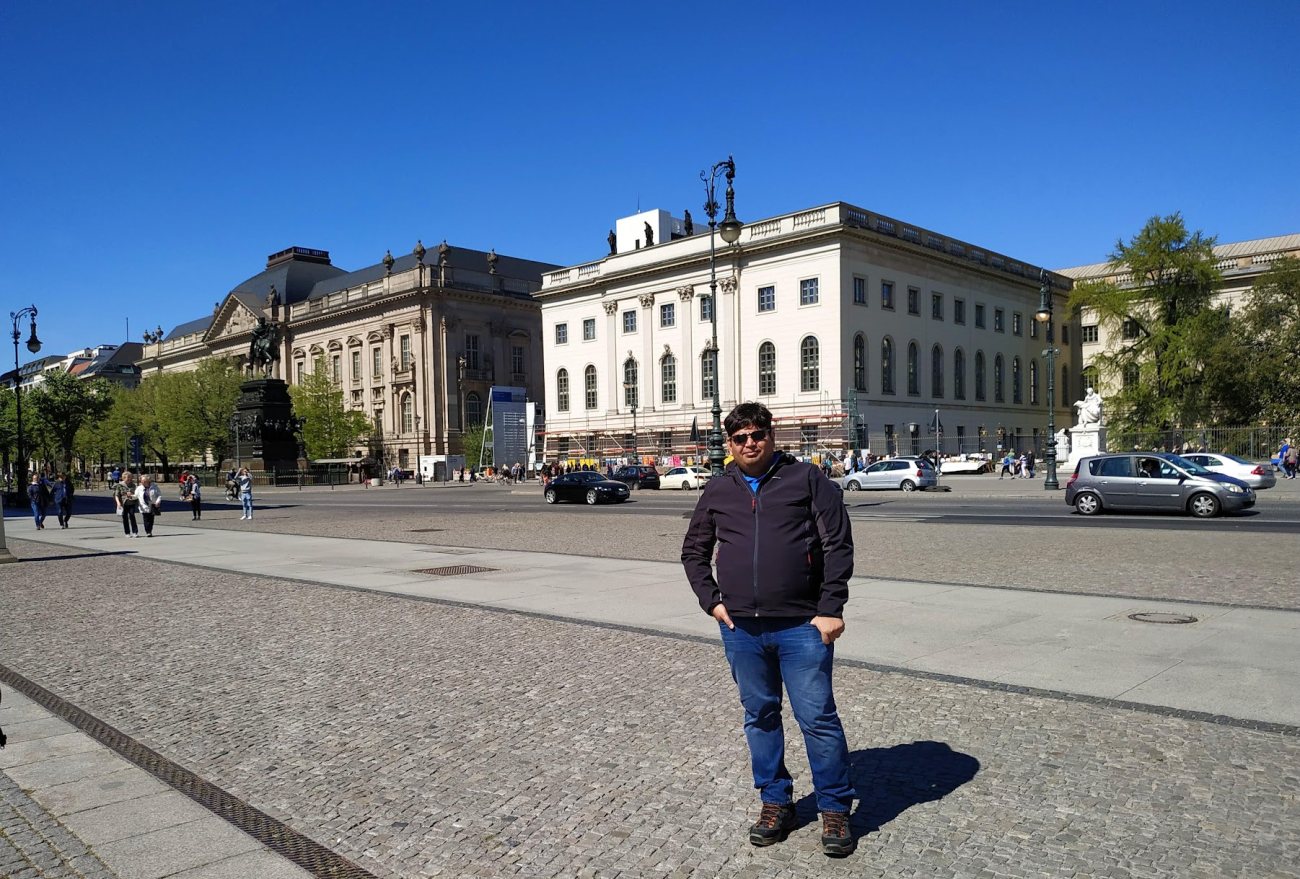
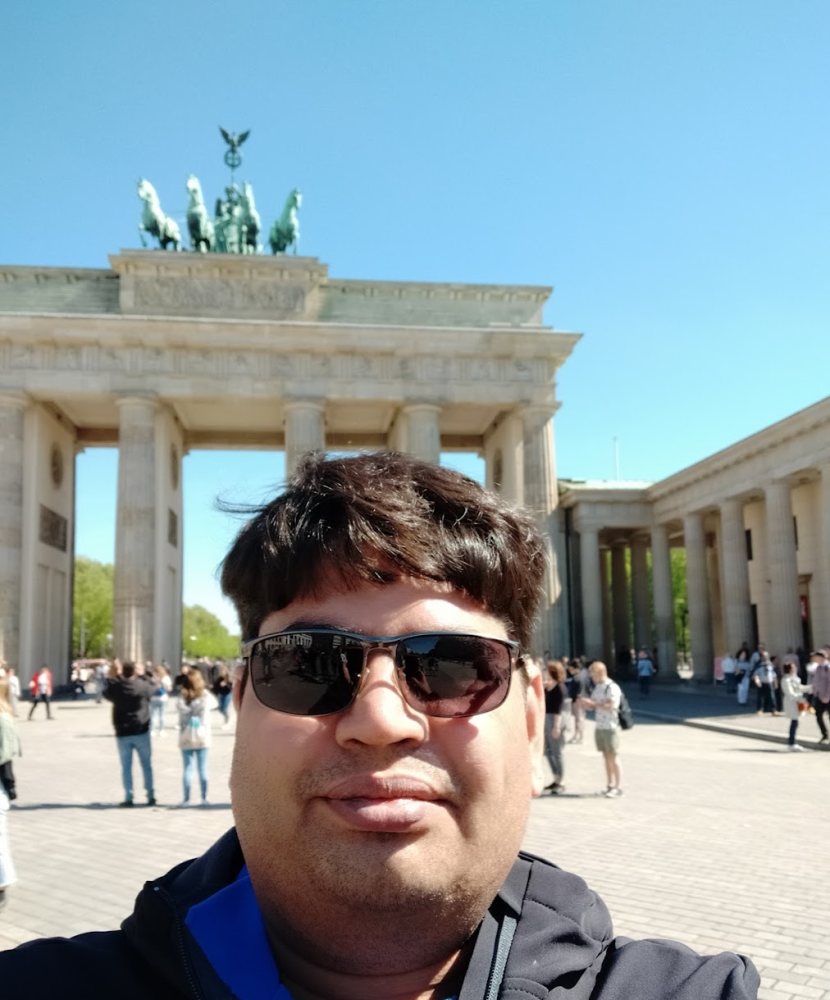
The work has also taken me into the wider world of energy: the 22nd World Petroleum Congress in Istanbul in 2017; a twenty-day European study tour in 2019 as part of my MBA at MDI Gurgaon — completing modules in International Marketing and International Finance at ESCP Europe's Berlin campus under its Overseas Learning Programme, and visiting the OPEC secretariat in Vienna alongside industry stops across the continent; and a month in Sri Lanka on a consultancy assignment with Lanka IOC, IndianOil's international subsidiary there.
From December 2026 I work independently. After twenty years of running other people's systems I want to spend the next phase building my own, and to do a PhD that puts proper econometrics behind the questions the EV transition keeps raising. The products are under Work; from December I am also available for a small number of consulting engagements.
On the national EV stage
- Nominated member (representing IndianOil), FICCI Sub-group on Charging & Swapping Infrastructure
- Member, Pricing & Policy Committees, Unified Bharat e-Charge Network (UBC)
- Nodal officer, PM E-Drive and FAME-II subsidy schemes, IndianOil
A technical habit that never left
I began in the engine room, and the instinct stayed. Long after the job stopped requiring it, I kept reading the papers, kept following how these systems are actually built, and kept writing software to find out whether I had understood them. Curiosity is cheaper than certainty and considerably more useful.
That habit has turned into a body of work: conformance testing and management software for charging networks, systems of record for informal labour and for health records, private communications, and a few consumer products besides. They sit in deliberately different sectors, and the common thread is simple — twenty years inside large systems teaches you where they break, which is a useful lens to bring almost anywhere.
Much of my reading now goes to artificial intelligence: not the claims made for it, but the mechanics underneath — what a model can hold in view at once, where its reasoning quietly fails, and why so much of what is promised runs aground on those limits. The essays here are where I work those questions out in public, and where I am glad to be argued with.
Where I'm headed
India's energy transition is the largest infrastructure problem of my working life, and I intend to stay useful at the centre of it — now from the outside: building the software the charging networks will run on, advising the people deploying them and the institutions that shape the policy around them, and putting real econometrics behind the policy questions through a doctorate. Alongside that I will keep writing, because explaining a thing carefully is the surest way I know to understand it.
If you work in energy, EV infrastructure, or public technology — or you simply disagree with something I have written here — I would genuinely like to hear from you. Write to me.
The road so far
- 2024 — present · Mumbai
Chief Manager, Retail Transformation — Indian Oil
Leading the alternate-energy vertical: an EV charging programme of 6,000 fast and 10,000 slow chargers backed by USD 60 million, clean-fuel adoption and digital modernisation; senior interface with ministries on FAME-II and PM E-Drive.
- 2021 — 2024 · Bhubaneswar
Chief Manager, Retail Sales — Indian Oil
Strategic growth and clean-energy expansion across 600+ retail locations: EV charging, CNG/CBG stations, and premium fuel programmes at scale.
- 2019 — 2021 · Noida
Senior Manager, City Gas Distribution — Indian Oil
Owned a USD 2B+ clean-energy infrastructure portfolio; rolled out SAP S/4HANA IS-Utilities, GIS, and customer platforms for city gas at scale.
- 2014 — 2018 · New Delhi
Advisor, Digital Platforms & Public Engagement — Ministry of Petroleum & Natural Gas
Designed the digital platforms through which citizens reach national energy programmes — public engagement, transparency, and grievance redressal.
- 2006 — 2014 · Gurugram
Senior Manager, Enterprise IT — Indian Oil
Ran enterprise SAP BASIS, national data centres, and mission-critical corporate networks for a Fortune 500 energy company — including real-time SAP integration with terminal automation across 40+ locations.
The world so far
Full gallery →